


What is the
Gender Pay Gap
June 2025
The difference between average hourly earnings of men and women

13%
Women are paid less than men by 13% on average
Find your employer's pay gap report on their website or at
The gender pay gap measures the difference between average hourly earnings of men and women, as a proportion of men's earnings, excluding overtime. It is a measure across all jobs in the UK, not of the difference in pay between men and women for doing the same job.
Gender Pay Gap
In detail
There are differences in the full-time and part-time pay gaps
All employees
13%
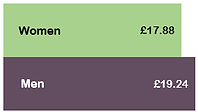
Women earn £2.39 less per hour

Full-time
7%
Women earn £1.36 less per hour
Part-time
-3%
Women earn 40p more per hour

What are the drivers for
Gender Pay Gap
More women than men work part-time and in lower paid roles
The Pay Gap
The gender pay gap is not the same for all pay rates or salaries – it is greater for higher pay rates and salaries because there are fewer women in these roles, and proportionately more women in lower‑paid positions.
13%
Women earn £2.39 less per hour
Pay Gap by Age

The pay gap is larger for women over 40 due to the "motherhood penalty" (absences for maternity leave, and flexible or part-time working) and the demands of unpaid work falling to women. This is detailed more below.
Working hours
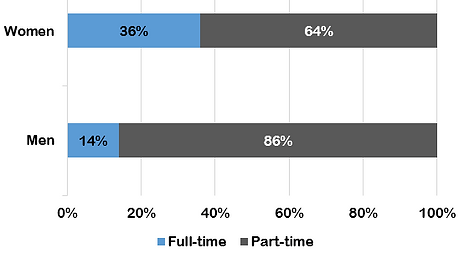
More women (36%) work part-time than men (14%). These roles tend to be lower paid, impacting women's average pay
Pay Gap by Sector

The pay gap is lower when there are more women than men in an occupation
Sales and customer service occupations
Caring leisure and other service occupations
Administrative and secretarial occupations
The pay gap increases from lower to higher paid occupations (left to right) except for
Skilled trades occupations
The effects of unpaid work on the
Gender Pay Gap
Preference for part-time work
Gendered occupations such
as care and retail, pay less
Retiring earlier
than men
Current and historic pay discrimination
Unpaid work
Difference in economic value of women workers
Intangible under crediting women
Unpaid household work is at the heart of the
Gender Pay Gap
Unpaid household work includes childcare, cooking, housework and elder care
Women are busier in the household and tend to take part-time roles.
Working part-time provides less access to training, and senior roles may not offer part-time or flexible working.
Older women may may also be busy with elder care.
Women do
62%
of unpaid work
Motherhood penalty
Cumulative impacts of - absences for maternity leave, flexible or part-time working, being busier at home, and not pursuing career progression.
Sticky floor
When women are trapped in low-paying, low-mobility jobs.
Glass ceiling
An invisible barrier that prevents career advancement, especially into leadership roles
Closing the
Gender Pay Gap
What you and businesses can do
Help Yourself
Apply for roles you want even if you feel you do not have all the required criteria. This is something men do far more than women
Do not include salary history in your application as it can perpetuate historic pay inequality
Negotiate your salary at job offer (this is the best opportunity to get the pay deserve) and throughout your employment
Learn about unconscious bias and call it out
Ask for and take training opportunities
Recruitment and Promotion
Include a skills-based assessment task relevalent to the role, in the recruitment process
Ensure interviews for recruitment and promotions are structured
Ensure selection panels have diverse representations
Provide salary range for roles to encourage negotiation
Consider ways to widen the applicant pool to include more women, such as including details on training offered
Be an inclusive organisation
There should be transparency across promotion, pay and reward
There should be a manager or team responsible for diversity
Reconsider performance self-assessments as they may lead to gender imbalances
Use staff surveys and exit interviews for feedback on equality
Offer unconscious bias training to all staff
Monitor plans and targets
Support all staff
Offer flexible working options for both women and men
Encourage employees to take Shared Parental Leave
Train and develop staff offering experience and projects leading to promotion
Offer mentoring and networking opportunities where possible
Read the
Articles that matter


