


Women in homelessness: A different experience for homeless women
- Lillian Wilkinson

- Jul 3, 2025
- 6 min read
Updated: Aug 20, 2025
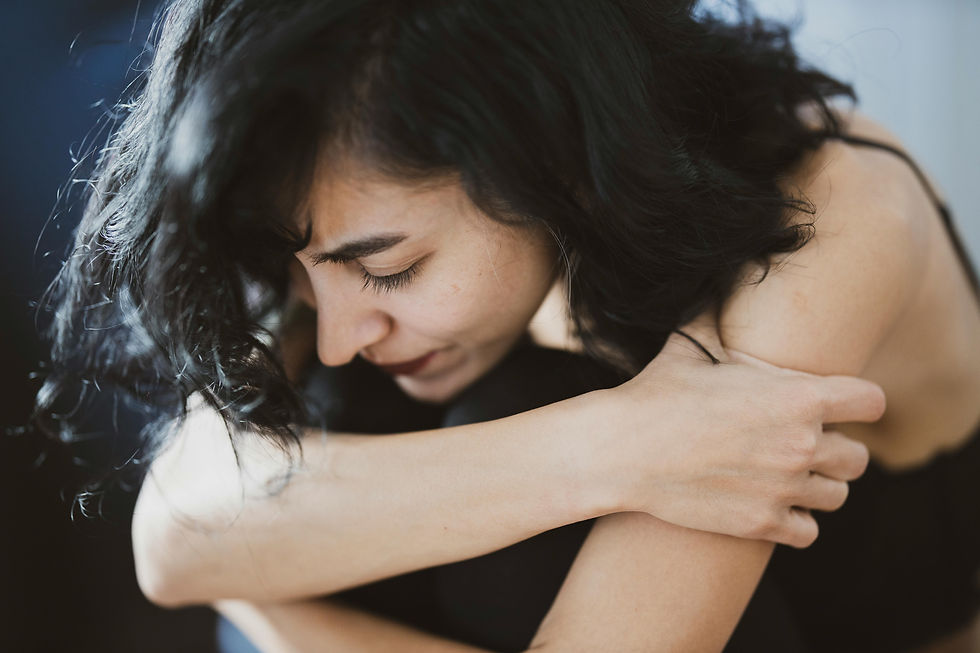
Homelessness is a complex issue, shaped by economic forces, housing policy, and social inequality. But a subtler and often overlooked dimension lies underneath: gender. Women and men experience homelessness in different ways, shaped by societal expectations, exposure to violence, and systemic inequality.
History of Homelessness
Historically, homelessness in the UK has been perceived and treated as a predominantly male issue. Rough sleeping, often the most visible form of homelessness, is statistically dominated by men, and policies and services were long designed around this reality. Early interventions, such as the Vagrancy Act of 1824, criminalised those who slept rough, disproportionately affecting men during economic downturns and industrial changes.
In the post-war years, homelessness policy began to shift with the advent of the welfare state and the Housing (Homeless Persons) Act of 1977. This Act was the first to place a duty on local authorities to provide accommodation for certain categories of homeless people, such as pregnant women, those with dependent children, and people deemed vulnerable due to age or health.
In effect, this meant that homeless women, particularly those with children, were more likely to qualify for assistance, while single homeless men continued to fall through the cracks. However, the Act also reinforced a particular definition of “deserving” homelessness, sidelining many others whose experiences did not fit its criteria.
It wasn't until the 2002 Homelessness Act that more emphasis was placed on prevention and wider support. Yet, even today, services and data often fail to capture the full scope of female homelessness or the needs of LGBTQ+ people. Women's homelessness, in particular, remains more hidden, more private, and often more dangerous.
The Many Faces of Homelessness
Data on homelessness in the UK consistently shows men are more likely to be recorded as rough sleepers. According to the Department for Levelling Up, Housing and Communities (DLUHC), 85% of rough sleepers in England in 2023 were men. However, this figure tells only part of the story.
Women experiencing homelessness are far more likely to be living in insecure and often hidden circumstances, such as sofa surfing, staying with abusive partners, or remaining in unsafe accommodation to avoid the streets. These circumstances often go uncounted in official statistics.
Research by the women’s charity Agenda and Centrepoint has shown that women’s homelessness is intimately tied to domestic abuse, sexual violence, and economic dependency. Over 60% of homeless women report having experienced domestic abuse, and many cite it as a direct cause of losing their home. For these women, the choice is often between returning to an abuser or sleeping on the street, which itself exposes them to further violence.
In contrast, men’s routes into homelessness are more likely to be shaped by structural factors such as job loss, substance abuse, mental health challenges, or institutional exits - from prisons, hospitals, or the armed forces. These distinctions are not absolute, but they do shape the kind of services needed and the way people engage with them.
Young people also show gendered patterns. For young women, relationship breakdown, pregnancy, and abuse are more prominent triggers. Young men, particularly those estranged from family or exiting the care system, face increased risk. LGBTQ+ youth face even higher rates of homelessness, often due to familial rejection, bullying, and inadequate support services.
Legislation and Protection
Over the years, legislation has evolved to try and meet the needs of the growing and diversifying homeless population. The Homelessness Reduction Act 2017 was a landmark reform, introducing a duty on local authorities in England to prevent homelessness for all eligible applicants, regardless of priority need. This change was crucial for addressing the needs of single people, particularly young people and men, who had previously been excluded from statutory help.
However, in practice, implementation has been uneven. Local authorities, already stretched thin by austerity cuts and high demand, often struggle to meet the new duties. Access to support is still influenced by local gatekeeping, housing availability, and subjective assessments of vulnerability.
For women, existing legislation often fails to protect them from the particular risks they face. For example, the system continues to prioritise families with children over single women fleeing domestic abuse who do not yet have visible injuries or police reports. Although the Domestic Abuse Act 2021 in England and Wales has now recognised survivors as a priority need for housing, many still face barriers in proving eligibility or accessing refuges, especially in areas with limited women's services.
In Scotland, the approach has been more progressive. Since the Homelessness etc. (Scotland) Act 2003, virtually all unintentionally homeless people are entitled to permanent accommodation. The Scottish Government has also adopted a gendered understanding of homelessness in its Ending Homelessness Together plan, acknowledging the need for trauma-informed and gender-sensitive responses.
Campaigns and Advocacy
Campaigners have long argued that women’s homelessness is under-recognised and under-served. Organisations such as SISTERS Uncut, SHELTER, St Mungo’s, Women’s Aid, and Solace Women’s Aid have worked to highlight the intersection between domestic abuse, poverty, and housing insecurity.
The EndViolenceAgainstWomen campaign has increasingly brought attention to the continuum between private violence and public homelessness. Survivors often face a bureaucratic maze: police, social services, housing officers, and immigration enforcement may all be involved, creating a climate of fear and confusion. For migrant women with “no recourse to public funds,” the risks are even higher, as they may be denied refuge space or support entirely.
Some recent initiatives are beginning to address these gaps. In 2020, Solace Women’s Aid piloted a service specifically for women who had experienced both domestic abuse and street homelessness. Trauma-informed, flexible, and led by lived experience, the project demonstrated improved outcomes in safety, mental health, and housing stability.
Yet such projects remain exceptions rather than the rule. Mainstream homelessness services are still often male-oriented, lacking in women-only spaces or failing to understand the impact of trauma. Women often avoid hostels because they feel unsafe or fear their abuser may be staying there.
The Role of Austerity and the Housing Crisis
The UK’s ongoing housing crisis has intensified gendered inequalities in homelessness. With social housing stock decimated since the 1980s, and private rents spiralling beyond affordability, many women, especially single mothers, are disproportionately affected by housing precarity.
Austerity policies introduced from 2010 onwards, including the benefits cap, the bedroom tax, and cuts to local government funding, have worsened the situation for low-income women. Universal Credit, with its single household payment system, has also been criticised for facilitating financial abuse in relationships.
As women's poverty increases, so too does their risk of homelessness. Women are more likely to work in low-paid, part-time jobs or unpaid care roles, leaving them financially vulnerable in the face of relationship breakdown, eviction, or illness. According to research by Women’s Budget Group, single mothers and BAME women have been among the worst hit by austerity, pushing many to the brink of homelessness.
Gender Identity and Homelessness: The Invisible Margins
Trans and non-binary people face some of the highest risks of homelessness in the UK, yet they remain largely invisible in both data and policy. Discrimination, family rejection, and violence all contribute to high levels of housing insecurity among trans individuals. Once homeless, trans people often face transphobia in shelters, exclusion from gender-appropriate facilities, or a complete lack of support services that respect their identity.
A 2018 report by Stonewall found that 25% of trans people had experienced homelessness at some point in their lives. Despite this, very few homelessness services are equipped to meet their needs. Lack of gender-neutral accommodations, misgendering by staff, and hostile environments all contribute to the exclusion of trans people from vital services.
Campaigners are calling for more inclusive policies and dedicated services, but progress remains slow. Funding limitations, political backlash, and a lack of training all hamper the ability of services to respond effectively.
Moving Toward Inclusive Solutions
Addressing gender in homelessness requires more than just counting women or tweaking eligibility criteria. It demands a fundamental shift in how homelessness is understood and addressed—recognising that safety, trauma, and dignity are experienced differently depending on gender and identity.
Gender-sensitive housing policies, more investment in domestic abuse services, trauma-informed hostels, and specialist women’s homelessness support are all essential components of a more just response. Crucially, women and gender-diverse people with lived experience must be involved in designing services and shaping policy.
Housing First, a model that prioritises stable housing before tackling other issues, has shown promise, particularly in Scotland and parts of England. But its success depends on flexibility and adequate support. For women, Housing First must also mean safety first, recognising that without secure, gender-appropriate accommodation, no other interventions can succeed.
Conclusion: A Crisis Unequally Felt
Homelessness in the UK is not gender-neutral. It is a crisis that reflects and reinforces the inequalities woven through the social fabric—inequalities of income, of safety, of power. While men remain the majority of those visibly homeless, women and gender-diverse people often face deeper, more hidden forms of housing insecurity that are no less devastating.
Legislation has evolved, and campaigns have helped illuminate the gendered nature of homelessness. Yet services and policies still lag behind in addressing the full spectrum of experiences. If the UK is to meet its ambitions of reducing homelessness, it must look beyond rough sleeping statistics and build systems that respond to the needs of all, with gender at the core of understanding and intervention.

July 2025


Comments